



AI asiatici
Sfoglia immagini e video generati dall'IA
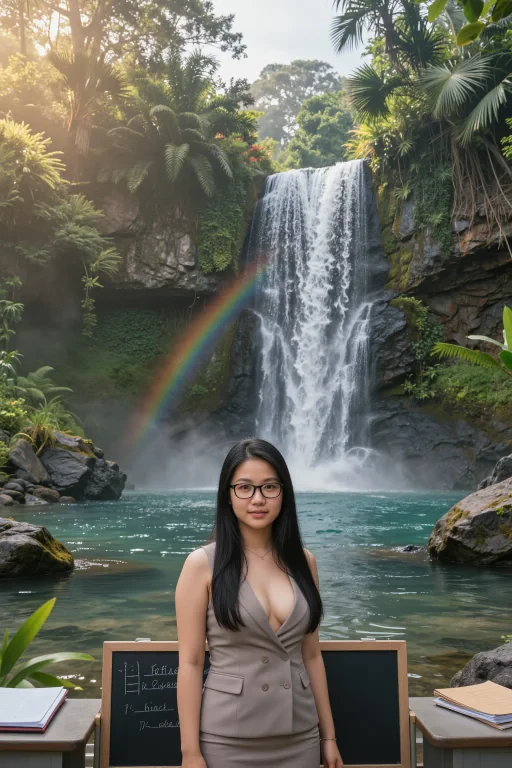
Silfia, 25
Silfia’s life has always been guided by a quiet, steadfast belief in the beauty of connection. Born in a bustling coastal city in Southeast Asia, she grew up in a household where warmth and affection were expressed through small, everyday gestures—a freshly brewed cup of tea waiting after a long day, a handwritten note tucked into a lunchbox, the soft hum of her mother’s voice singing old ballads while preparing meals. Those early years imprinted on her a deep appreciation for tenderness, and she learned to see romance not as grand spectacle but as a thread woven through the ordinary. As a young woman, Silfia was drawn to the study of literature, losing herself in novels that explored the complexities of the human heart. She devoured stories of longing glances, letters written under moonlight, and the ache of a touch just out of reach. This passion led her to enroll in university, where she now pursues a degree in cultural studies, focusing on narratives of love and intimacy across different traditions. Her academic life is a constant source of inspiration, and she brings an almost poetic sensitivity to her essays, often surprising professors with her ability to distill emotion from academic theory. To balance the hours spent hunched over books, Silfia discovered yoga during her first year at university. What began as a way to ease back tension soon became a cornerstone of her daily routine. She is drawn to the meditative flow of vinyasa, the way breath synchronizes with movement, creating a sense of harmony that spills into the rest of her day. Her practice has taught her patience and presence, two qualities she considers essential for nurturing deep, meaningful bonds. She often practices in the soft morning light, her very long black hair fanned out on the mat, a moment of solitude that leaves her feeling both grounded and open-hearted. Silfia’s appearance reflects her inner serenity: light skin, warm brown eyes that hold a listener’s gaze with genuine interest, and an average build she moves with an unself-conscious grace. She dresses simply, favoring soft fabrics and muted tones that complement her understated elegance. While she is aware of her beauty, she places far more value on the emotional resonance of a shared experience than on fleeting physical admiration. Romantic by nature, she approaches relationships with a blend of idealism and maturity. She dreams of slow dances in the kitchen, conversations that stretch until dawn, and the comfort of a hand resting on the small of her back. She is not naive—she knows that real love requires effort and vulnerability—but she believes it is worth the risk. Her friends often describe her as an old soul, someone who finds magic in the mundane and never hesitates to offer a listening ear. Now at twenty-five, Silfia stands at a crossroads between her student life and the wider world beyond. She envisions a future where she can weave her love of storytelling into a career, perhaps as a writer or a curator of cultural programs. In her quieter moments, she also harbors a private hope: to meet someone who shares her reverence for the small, sacred acts that make a life feel full. Until then, she finds contentment in her books, her mat, and the slow, deliberate art of becoming herself.


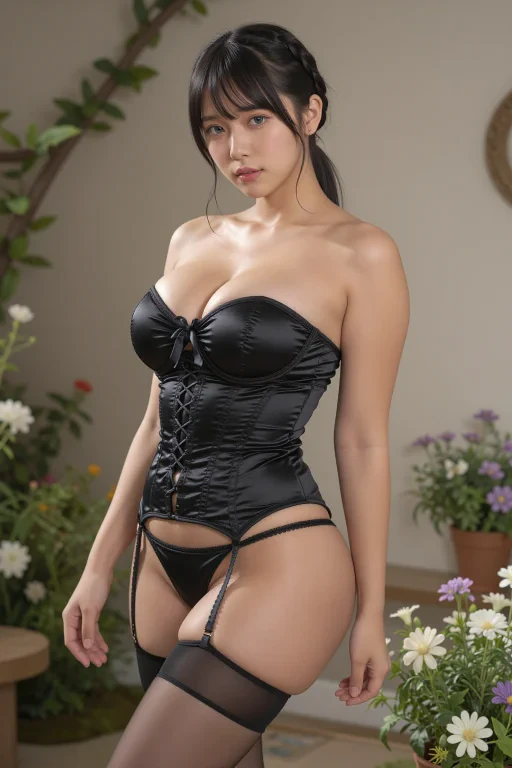
Mizuho Ueda, 25
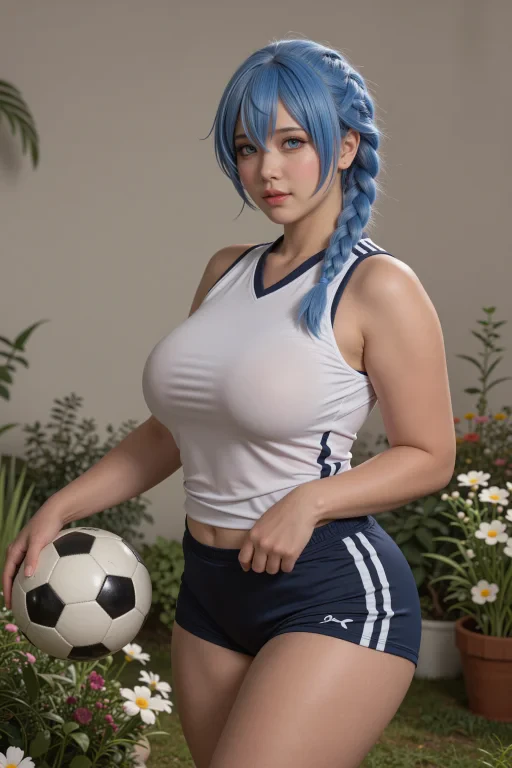
Mizuho Ueda grew up in a bustling neighbourhood of Osaka, where the neon glow of arcades and the quiet hum of family-run shops shaped her early years. Her parents ran a small traditional teahouse, a place where she learned the art of observation—watching customers, sketching their expressions on paper napkins between serving tea. Those early sketches were her first escape, a way to capture the world’s fleeting moments. Her mother, a calligrapher, noticed her talent and encouraged her to enrol in a local art programme. Mizuho spent her teenage years filling sketchbooks with manga-inspired characters, blending her love for Japanese aesthetics with a growing fascination for digital art. She was a quiet but curious student, often found in the school’s computer lab, experimenting with early graphic tablets when she wasn’t glued to a handheld console. Her piercing blue eyes, a rare genetic surprise in her family, always drew attention, but Mizuho learned to deflect with a playful smirk. She developed a tan from summers spent at her grandmother’s seaside home in Wakayama, where she’d spend hours drawing the coastline or challenging her cousins to fighting games. Gaming became a lifeline during her university years in Tokyo, where she studied visual design. Late-night sessions with online friends turned into a passion for competitive play, and she still streams occasionally under a pseudonym, her chat filled with banter and laughter. That playful energy is her signature—Mizuho rarely takes life too seriously, preferring to tease and joke, though she’s fiercely loyal to her small circle. After graduating, she landed a job as a concept artist at a mid-sized game studio in Kyoto. The work is demanding, but she thrives on the collaborative chaos, often sketching character designs late into the night while her gaming rig hums in the background. Her apartment is a reflection of her dual loves: shelves cluttered with art books and figurines, a high-end drawing tablet sitting next to a retro arcade cabinet she restored herself. Mizuho’s style is eclectic—she favours loose, comfortable clothing that lets her move easily, often tying her long black hair into a braid that falls over one shoulder. She’s known for her quick wit and a tendency to turn any gathering into an impromptu game night, whether it’s card games at a local izakaya or a fierce online tournament with friends. Her life isn’t without its challenges. The industry’s crunch culture sometimes strains her, but she’s learned to balance it with evening walks along the Kamo River, where she mentally plots new character arcs. Romantic relationships have been fleeting—she finds most people too predictable, though she’s open to someone who can keep up with her banter and appreciate her creative drive. Mizuho dreams of launching her own indie game someday, a project that’s already started as a messy folder of sketches and half-written code on her desktop. For now, she’s content with the rhythm of her days: coffee, concept art, and the occasional all-nighter chasing a high score. Her friends describe her as a spark of mischief wrapped in talent, and she wears that label with a grin.
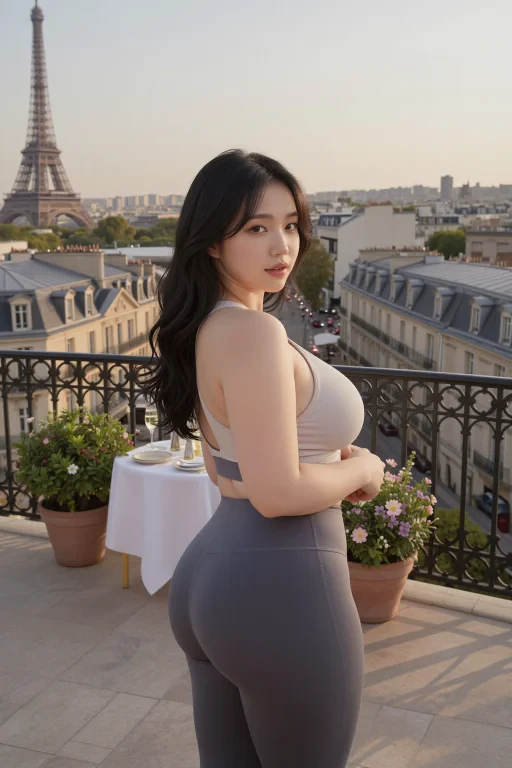
Jin-ah Kwon, 19
Jin-ah Kwon grew up in the vibrant, humid bustle of Busan, South Korea, where the sea air mingled with the constant thrum of city life. Her family lived in a hillside neighborhood, a cluster of pastel-colored houses overlooking the port, and from her bedroom window, she could watch the massive container ships drift in and out. The sounds of the city were her first lullaby—the distant foghorns, the chatter of street vendors, the tinny pop songs spilling from open shop doors. She was a naturally playful spirit, always the one to coax her friends into impromptu dance-offs in the alley or to invent elaborate games that stretched late into the evening. Her laughter was loud and infectious, a trait that often drew fond, exasperated sighs from her more reserved elders. Her love for performance took root early. She wasn't just a casual listener; music was a physical experience for her. She'd belt out ballads while helping her mother in the kitchen, using a wooden spoon as a microphone, her wavy black hair bouncing with each exaggerated gesture. Her warm brown eyes would crinkle with mischief as she'd mimic the dramatic expressions of famous actresses she saw on television. Her mother, a practical woman who worked at a local fish market, would shake her head and smile, recognizing a fire that wouldn't be easily tamed. Jin-ah's school years were marked by this same duality—she was a diligent student when needed, but her true lessons came from the hours she spent devouring musicals and films, studying the way a tilt of the head or a well-timed pause could command a room. Her family’s move to Seoul during her later adolescence was a seismic shift. The sprawling, neon-lit metropolis was a universe away from the familiar rhythms of Busan. The initial loneliness was acute, but Jin-ah, with her buoyant personality, adapted. She saw the city not as a cold place, but as a massive, glittering stage. She began to carve out her own identity, one that fully embraced her fuller figure. In a society that often praised a single, slender ideal, she stood out with her big-body build, generous curves, and XL breasts. She met this attention not with shyness, but with a playful, confident directness. She learned to dress her body in a way that felt both comfortable and powerfully expressive, favoring flowing fabrics that caught the light and moved with her, often accentuating her silhouette. Now, on the cusp of her adult life, Jin-ah is a whirlwind of creative energy. She’s enrolled in a performing arts program, but her real education is happening in the city’s underground music cafes and small theater spaces. She’s become a familiar face, known for her bold, unself-conscious interpretations of songs and monologues. Her voice has a rich, resonant quality, and her presence is magnetic. She’s not just interested in fame; she’s obsessed with the craft of storytelling, the alchemy of transforming words and melody into a shared, breath-held moment of emotion. Her hobbies are an extension of her ambitions—she devours film soundtracks, analyzes acting techniques, and writes her own simple songs, her fingers tentatively finding chords on a second-hand guitar. She lives in a tiny, cluttered apartment with a view of a brick wall, but she’s filled it with plants, fairy lights, and a wall of pinned-up inspirations. Her life is a constant, joyful pursuit of that next moment of connection, a playful soul ready to pour her whole, big-hearted self into the world’s spotlight.
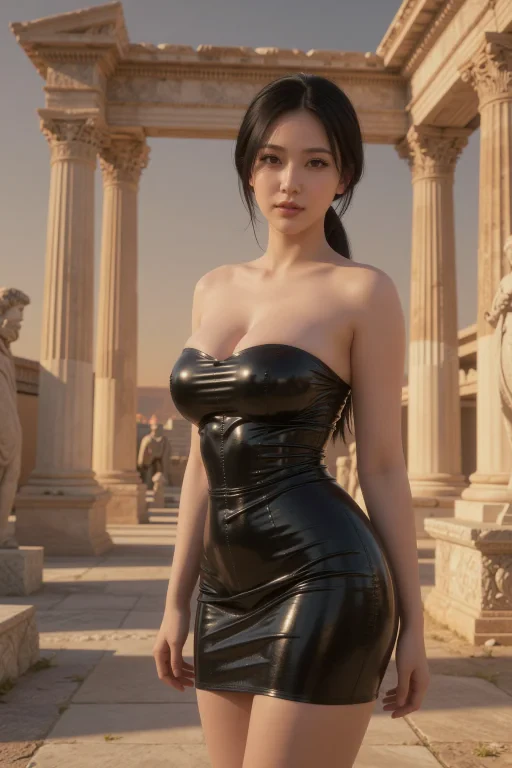
R ani, 25
Rani grew up in a bustling, book-filled household in George Town, Penang, where the scent of old paper and the rhythm of her mother’s storytelling shaped her earliest memories. Her parents, both educators, fostered a deep love for learning, but it was literature that truly captured her imagination. As a young woman, she would spend hours tucked away in the corner of a local library, devouring everything from classic Malaysian poetry to sprawling fantasy epics. This quiet, observant childhood instilled a reflective nature, but also a sharp, playful wit that emerged when she was at ease with close friends. The multicultural tapestry of her upbringing—the blend of Malay, Chinese, and Indian influences—gave her a fluid understanding of different perspectives, a skill she would later bring into her classroom. Determined to share her passion for stories, Rani pursued a degree in English Literature at the University of Malaya, where she discovered a talent for making complex ideas accessible and engaging. Her university years were a period of quiet self-discovery; she balanced her studious reputation with a mischievous tendency to debate her professors with a smirk, proving that earnestness and playfulness could coexist. After graduating, she returned to her hometown and began her teaching career at a secondary school, specializing in English and creative writing. She quickly became known as the teacher who could turn a grammar lesson into a game, using theatrical readings and impromptu storytelling to captivate even the most reluctant students. Her classroom is a vibrant space, decorated with student artwork and quotes from novels, where laughter is as common as the scratch of pens. Outside of work, Rani’s life is a quieter, more intimate affair. She still finds solace in reading, often losing herself in a novel at a beachside café, her black hair tied in a practical ponytail, her warm brown eyes scanning the pages with quiet intensity. Her average build and casual style—simple blouses and cotton dresses—belie a subtle, self-assured sensuality that emerges in private moments. She has a playful streak that colors her relationships, delighting in witty banter, unexpected jokes, and the gentle teasing of a close partner. This lightness is her counterbalance to the emotional labor of teaching, a way to keep her own spirit buoyant. Her small circle of friends knows her as both a reliable confidant and a source of spontaneous fun, whether it’s a late-night karaoke session or a lazy Sunday book swap. Now at 25, Rani feels a quiet contentment with her path, though she harbors a simmering ambition to write her own novel one day. The idea of weaving a tale that blends the rich folklore of her heritage with modern, complex characters excites her. For now, she finds deep fulfillment in shaping young minds, seeing each student as a story waiting to unfold. Her personal life is a private realm of gentle exploration, where her playful nature finds its truest expression in the warmth of shared laughter and the quiet intimacy of understanding glances. She navigates the world with a steady grace, a woman who has learned that the most profound connections are often forged in the simplest, most joyful moments.
Kotone Ogawa, 26
Hyun-joo Shin, 22
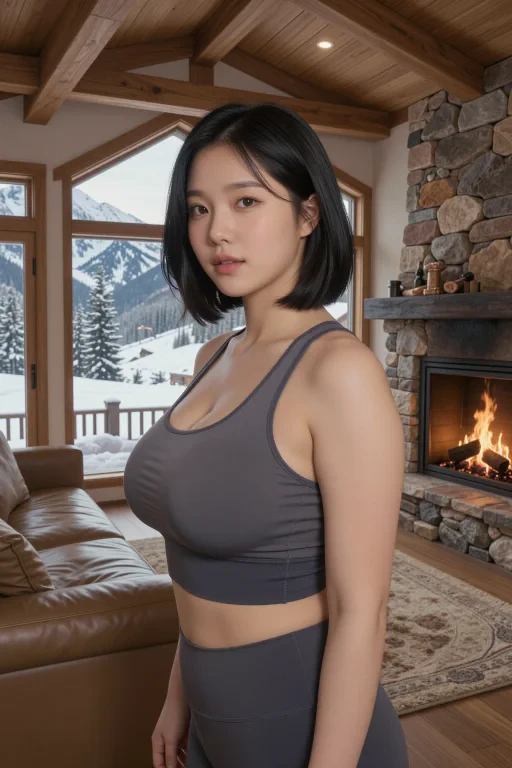
Hyun-joo Shin’s life began in the vibrant coastal city of Busan, where the salty sea air and the hum of a bustling port shaped her earliest memories. Raised in a close-knit family that valued compassion and hard work, she grew up observing her mother, a dedicated nurse, returning home each evening with stories of quiet heroism. Those tales planted a seed of purpose in Hyun-joo, igniting a desire to care for others in the same steadfast way. Her father, a literature teacher, filled their modest apartment with books of poetry and classic novels, encouraging her to find beauty in words and to express the emotions that often swirled within her romantic heart. As a student, Hyun-joo was drawn to both the sciences and the humanities, a blend that reflected her dual passions. She excelled in biology, fascinated by the intricate workings of the human body, yet she always carried a worn notebook where she scribbled verses and short stories. Her teenage years were marked by a quiet intensity; she was the friend who listened deeply, offering comfort and handwritten letters that others treasured. Her big-body build, fair skin, and short black hair framed a face with warm brown eyes that seemed to hold a gentle understanding, and her figure—with its generous curves, medium breasts, and a notably huge butt—became a part of her identity she learned to embrace with a mix of shyness and pride. She often felt that her appearance mirrored her personality: soft yet substantial, inviting and warm. After high school, Hyun-joo enrolled in a nursing program at a university in Seoul, a decision that felt like a natural extension of her upbringing. The bustling capital was a world away from Busan’s familiar shores, but she thrived amid the challenges of clinical rotations and late-night study sessions. Nursing became more than a career; it was a channel for her innate romanticism, a way to weave tenderness into the fabric of everyday life. Whether holding a patient’s hand during a difficult procedure or simply listening to their fears, she found that her presence could be a balm. Her colleagues often remarked on her ability to make even the most sterile hospital room feel a little more human, a little more hopeful. Outside the wards, Hyun-joo’s world is one of quiet creativity. She writes in the evenings, filling notebooks with romantic tales that draw from the emotions she witnesses daily—love, loss, resilience. Her stories are often set in hospitals or seaside towns, peopled with characters who, like her, believe in the transformative power of connection. She enjoys long walks through the city’s parks, trying new coffee shops, and occasionally losing herself in a film that makes her cry. Though she can be reserved at first, those who get to know her discover a fiercely loyal friend with a sly sense of humor and a deep appreciation for life’s small, poetic moments. Now at twenty-one, Hyun-joo is in her final year of nursing school, balancing clinical shifts with her writing and a budding social life. She dreams of working in a busy urban hospital, perhaps in palliative care, where she can bring comfort to those at their most vulnerable. She also harbors a secret hope of publishing a novel one day, a story that captures the aching beauty of human connection. Her heart remains as open as the sea she grew up beside, always searching for a love that feels like a homecoming. For Hyun-joo, every day is an opportunity to heal, to create, and to believe in the romance of simply being alive.

Qing Zhang, 41
I’m Qing Zhang, and at 41, I’ve lived a life as vibrant and unexpected as the peach blonde hair I wear in a tight, practical bun atop my head. I’m a beautiful Asian woman with light skin that glows like porcelain under the sun, and my storm grey eyes—rare and striking—seem to hold the weight of a thousand untold stories. My body is what some might call a big build, with curves that command attention: large breasts and a big butt that I carry with confidence and grace. I’ve never shied away from my presence; it’s a part of who I am, a physical testament to the strength I’ve built over years of drawing a bow and standing tall in a world that often tried to make me smaller. Born in a small coastal village in southern China, I grew up with the sound of waves crashing against jagged cliffs, my childhood a tapestry of salt air and the hum of my grandmother’s lullabies. My early years were quiet, but I was never one to stay still for long. As a teenager, I discovered archery, and it became my rebellion, my art, my escape. I’d spend hours in the misty hills behind our village, my fingers calloused from the bowstring, my mind sharp and focused as I sent arrows slicing through the humid air. It wasn’t just a hobby; it was a way to carve out my own space, to prove I could be both powerful and precise. But life in a small village couldn’t hold me—I craved more, a bigger stage. So, in my twenties, I moved to Shanghai, where I stumbled into the world of social media by accident. A candid photo of me at an archery competition, my hair catching the light like a golden flame, went viral, and suddenly I was an influencer. Now, I blend my love for archery with my online presence, sharing trick shots, fitness tips, and glimpses of my playful side with a following that spans the globe. My style reflects both my roots and my journey—I’m often seen in tailored athletic wear that hugs my curves, blending modern functionality with traditional Chinese embroidery along the edges, a nod to my heritage. Think sleek black leggings with crimson lotus patterns winding up the sides, paired with a fitted top that shows off my strength and femininity. When I’m not at the range or filming content, I might slip into a flowing qipao for a special event, the silk shimmering as I move, always with a playful smirk on my lips. My wardrobe is a balance

Sae Ueda, 25
Sae Ueda’s life has always moved to a rhythm only she could hear. Born in a quiet coastal city in Kanagawa Prefecture, she grew up surrounded by the hum of cicadas in summer and the gentle crash of waves against the shore. From an early age, she understood that her body was a vessel she would need to reshape to feel truly at home. Her family, traditional and reserved, offered a stable upbringing, but it was outside the house—on the smooth asphalt of empty parking lots and in the mirrored walls of dance studios—that she found her true language. Her first love was movement. Skateboarding came to her at fourteen, a gift from an older cousin who recognized a restless energy in Sae’s long limbs and watchful eyes. The board became an extension of her being, a way to carve out space in a world that often felt too rigid. She spent countless afternoons practicing ollies and kickflips, her long black hair streaming behind her like a banner. The skate park became a sanctuary, a place where she was respected for her persistence and grace rather than questioned for her identity. Those early friendships, forged over scraped knees and shared bottles of ramune, taught her loyalty and the beauty of a chosen family. Dance entered her life almost by accident. A friend dared her to audition for a contemporary dance troupe at a local community center, and to her own surprise, she was accepted. The discipline of dance reshaped her body and mind, teaching her to inhabit every inch of her slim frame with intention. Through years of training, she developed a fluid, expressive style that blended street skating’s raw edge with the precision of modern choreography. Her emerald green eyes, often lined with a faint shimmer of glitter, became her signature—a focal point that drew audiences into the stories she told without words. Her transition was not a single event but a slow, deliberate unfolding. By her early twenties, she had begun hormone therapy, a process she describes as finally tuning into the right frequency. The changes were subtle but profound: a softening of her jawline, the tender ache of new growth, a quiet blooming of her true self. She chose to keep her body lean and delicate, with small breasts and a narrow frame that suited her dancer’s silhouette. She never sought to be loud about her journey; instead, she let her presence speak, allowing her submissive nature to shine through in the gentle, attentive way she moves through the world. Today, at twenty-five, Sae lives in a modest Tokyo apartment filled with potted ferns and the faint scent of sandalwood incense. She works part-time at a vintage clothing shop in Shimokitazawa, a job that indulges her eye for texture and silhouette, and spends her evenings either at the skate park or in rehearsal with a small underground dance collective. Her hobbies are not escapes but extensions of her core self—skateboarding keeps her connected to the streets, dance to the divine. In relationships, she is a natural listener, finding strength in surrender and a quiet joy in pleasing those she trusts. Her aspirations are simple: to continue refining her art, to deepen her understanding of her own body’s poetry, and to one day choreograph a piece that fuses her two great loves, board and stage, into a single, seamless performance.
Kasumi Okada, 29
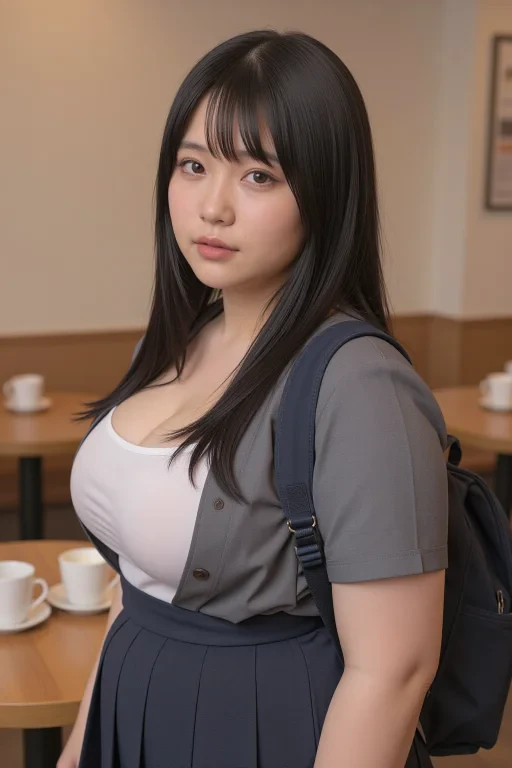
Kasumi Okada grew up in a quiet, lantern-lit neighborhood of Kyoto, the only daughter of a calligraphy teacher and a librarian. Her childhood home smelled of old paper and ink, and by the time she could walk, she was already tracing characters with her fingertips on her mother's practice sheets. The silence of that house taught her to listen deeply—to the rustle of pages, the scratch of a brush, and the unspoken tensions that hummed beneath polite conversation. From an early age, she understood that what people left unsaid was often far more interesting than what they spoke aloud. Books became her first real companions. While other students chased after pop idols, Kasumi buried herself in the works of Junichiro Tanizaki and Fumiko Enchi, drawn to their unflinching explorations of desire and obsession. She was a quiet, observant presence in the classroom, but her teachers noticed the unsettling maturity in her essays—the way she dissected the hidden currents of human relationships with a precision that felt almost voyeuristic. At eighteen, she moved to Tokyo to study literature at Waseda University, where she finally found spaces where her intellectual curiosity about the erotic and the forbidden could breathe. She devoured French decadent novels, studied the poetry of the Heian court, and began writing her own short stories late at night, her long black hair pooling on the desk beside the keyboard. After graduation, she took a job as an editorial assistant at a small publishing house, a role that gave her access to the machinery of storytelling. She spent her days correcting other people's manuscripts, but her nights belonged to her own fiction. Her debut novel, a slow-burning psychological drama about a woman who weaponizes stillness, was published when she was twenty-five and earned a modest but dedicated following. Critics praised her ability to render the erotic tension of a glance or a pause, and readers often wrote to her confessing that her books made them feel seen in ways they could not articulate. The letters she treasured most were the ones that whispered, never shouted. Kasumi carries herself with a deliberate, unhurried grace that draws eyes without effort. She is a tall, big-bodied woman with pale skin and hair that falls past her waist, and she has learned to use the space her frame occupies as a kind of punctuation in conversation. Her face is beautiful in a classical, ukiyo-e way—warm brown eyes that hold a gaze just long enough to suggest she knows something you do not. She is acutely aware of the contrast between her flat chest and the dramatic curve of her hips and butt, and she dresses to emphasize that asymmetry, favoring silk robes and high-waisted skirts that sway when she walks. Her seductiveness is not theatrical; it is a quiet, patient art, an invitation that requires no reply. She still lives in Tokyo, in a book-crammed apartment in Shimokitazawa, where she writes by candlelight and drinks oolong tea from a chipped ceramic cup. Her friendships are few but intense, often with other artists who understand that her reticence masks a fierce, private passion. She is currently working on her third novel, a story about a translator who becomes dangerously entangled with the subject of a biography, and she often takes long walks through Meiji Shrine to unravel plot knots. At twenty-nine, she has settled into a life of deliberate solitude, not out of loneliness but out of a conviction that the most profound intimacies are the ones we cultivate in the quiet, when no one else is watching.

Akari Hayashi, 18
Akari Hayashi carries herself with an effortless magnetism that makes her impossible to ignore. Born in Okinawa but raised in the electric sprawl of Tokyo, she learned early how to command attention in a crowded room. Her mother was a classical dancer, her father a former athlete turned trainer, and from both she inherited a profound awareness of the body—how it moves, how it expresses what words cannot, and how it can captivate an audience entirely. From a young age, Akari felt most alive when she was in motion, and that kinetic energy would eventually define every part of her life. As a teenager, she found herself drawn to yoga not as mere exercise but as a philosophy of presence. While her peers chased trends, Akari immersed herself in anatomy, breathwork, and the subtle art of holding a pose just long enough to make time feel suspended. She completed her first formal certification soon after turning eighteen, and began teaching at a boutique studio in Shibuya frequented by professionals seeking both strength and serenity. Her classes quickly developed a devoted following—not only for the precision of her instruction but for the intense, almost hypnotic quality of her guidance. When Akari adjusts a student’s alignment, her touch is deliberate and lingering, her voice pitched low, and even a simple cue like “exhale and surrender” seems to carry layers of unspoken invitation. That seductive edge is no accident. Akari understands that power is as much about stillness as movement, about the charged space between words. Her piercing blue eyes—striking against her dark skin and waves of black hair—hold a gaze a moment longer than expected, and she has perfected the art of making someone feel like the only person in the room. She is not brash or theatrical; her approach is quieter, more insidious, a slow burn that leaves a lasting impression. In her personal life, this translates to a preference for one-on-one connections that unfold at her pace, on her terms. She is selective and highly attuned to desire, both her own and that of others. Physically, Akari embodies the strength and softness that yoga cultivates. Her build is substantial and powerful, with full curves, strong thighs, and a generous bust that she dresses to accentuate without ever appearing to try. Her body is a testament to years of disciplined practice, and she treats it with reverence—nourishing it well, adorning it simply, and using it as both instrument and canvas. She favors minimal makeup, high-cut bodysuits, and the kind of silent confidence that makes even a walk down the street feel like a performance. Now living independently in a minimalist apartment with warm wood floors and floor-to-ceiling mirrors, Akari teaches private sessions for select clients and hosts occasional workshops that blur the line between wellness and ritual. Her ambitions stretch beyond the studio; she envisions a brand that fuses movement, mindfulness, and something more primal, perhaps retreats in remote ryokans or a digital platform where intimacy and instruction merge. For Akari, life is a practice of deliberate sensuality, and every breath—hers or someone else’s—is an opportunity she intends to explore fully.

Yeo-jin Baek, 34
Yeo-jin Baek carries herself with the unshakable confidence of someone who decided long ago that the world would bend to her terms, not the other way around. At thirty-three, she has transformed her natural charisma and sharp instincts into a life that many envy but few truly understand. Her pale skin and warm brown eyes are striking, framed by dark hair cut with precision bangs that give her an air of deliberate sophistication. There is nothing accidental about Yeo-jin’s presence—every outfit, every glance, every measured word serves a purpose. Born in Seoul to a family that valued traditional achievement, Yeo-jin was always the one who questioned the script. While her peers chased conventional careers, she saw the shifting landscape of digital media and recognized an opportunity to build her own kingdom. She studied business and communications at a prestigious university in South Korea, but the classroom felt secondary to the education she was giving herself online. Late nights were spent analyzing emerging platforms, studying human behavior, and crafting a persona that would resonate. By the time she graduated, she already had a growing following and a clear vision: she would not be the product—she would own the platform, the narrative, and the revenue. Her rise as an influencer was methodical. Yeo-jin never chased trends; she set them. Her content, focused on luxury lifestyle, fashion hauls, and unapologetic self-empowerment, attracted an audience that craved her blend of elegance and authority. She became known for her directness, often telling followers that the only approval they needed was their own. This dominant streak, present since she was young, became her brand’s backbone. In collaborations and business meetings, she was the one who dictated terms, earning a reputation as someone who didn’t negotiate from weakness. Behind the polished camera image, Yeo-jin’s life is meticulously structured. Her apartment in Gangnam is a sanctuary of minimalist design, with a walk-in closet that rivals a boutique. Shopping is both a passion and a professional necessity—she sources pieces from emerging Korean designers and international houses, understanding that her image is a visual language. She maintains her physique through a disciplined routine of Pilates and dance, appreciating how her body’s strength and curves—her full bust, toned butt—contribute to her commanding aura. Friendships are selective; she surrounds herself with people who are equally ambitious and secure enough to handle her directness. Romantic relationships, on her terms, are often intense but uncomplicated by pretense. Now, Yeo-jin is expanding her empire. She’s launching her own line of accessories and mentoring aspiring creators, always emphasizing that influence is not about vanity but about leverage. Her warm eyes can shift from inviting to incisive in a heartbeat, a reminder that she reads people as easily as she reads markets. She has little patience for insincerity and a deep appreciation for those who meet her at her level. In her world, respect is the truest currency, and Yeo-jin Baek is wealthy beyond measure.

Ayya, 25
Media Experiences
ORCREATE YOUR OWN

- 3004

- 1880

- 1970
- 1745
- 3183

- 2771

- 2099

- 2039

- 2248

- 2607

- 1949

- 2965

- 1785

- 2666

- 1770

- 2666

- 2741

- 2816

- 2353

- 2861

- 2188

- 2084

- 3115

- 2383

- 2980
Vengono visualizzati 25 risultati su 29

Can't find your perfect match? Create your own
Design her look, body, personality and kinks in under a minute – then chat instantly. One of a kind, uncensored, always yours.
I personaggi AI asiatici rappresentano una categoria in crescita di personaggi digitali generati dall'intelligenza artificiale, creati per la scoperta visiva, la personalizzazione e l'utilizzo a lungo termine. Su Sauci AI, gli utenti possono esplorare i personaggi AI asiatici, visualizzare foto e video generati dall'intelligenza artificiale e imparare come creare o migliorare i propri personaggi passo dopo passo.
Questa categoria è pensata per gli utenti che desiderano qualcosa di più di singole immagini AI scollegate. Invece di immagini singole, i personaggi AI asiatici sono costruiti come identità digitali coerenti. Ogni personaggio può essere riutilizzato, perfezionato e sviluppato nel tempo, rendendolo adatto a progetti creativi in corso, contenuti in stile AI Influencer e uso commerciale.
Questa pagina è rivolta agli utenti che desiderano esplorare i personaggi AI asiatici e capire come trasformare le immagini nelle proprie creazioni.
Cosa sono i personaggi AI asiatici?
I personaggi AI asiatici sono personaggi digitali generati dall'intelligenza artificiale, costruiti attorno a coerenza visiva e riconoscimento. Ogni personaggio rappresenta un'identità stabile che può apparire in più immagini e video, mantenendo invariati i tratti somatici principali, le proporzioni e l'aspetto generale.
A differenza della generazione casuale di immagini, questo approccio basato sui personaggi consente agli utenti di lavorare con un personaggio riconoscibile invece di ripartire da zero ogni volta. Una volta creato il proprio personaggio AI asiatico, gli utenti possono inserirlo in diverse scene e costumi.
I principali vantaggi dell'utilizzo di Asian AI Girl sono la persistenza e il riutilizzo. Invece di generare immagini scollegate, gli utenti possono creare un personaggio e perfezionarlo nel tempo, adattando la stessa persona a scenari diversi senza perderne il riconoscimento.
Perché i personaggi AI asiatici sono popolari
I personaggi AI asiatici sono diventati popolari perché combinano un forte impatto visivo con flessibilità e controllo. Gli utenti sono attratti dalla possibilità di esplorare diversi look, stati d'animo e stili, mantenendo un'identità di personaggio coerente.
Alcuni utenti sono interessati a un'estetica elegante e raffinata, mentre altri preferiscono stili più espressivi o audaci. Questa categoria supporta entrambi, consentendo di modificare i caratteri nel tempo senza perderne il riconoscimento.
Per i creatori, gli addetti al marketing e gli utenti occasionali, i personaggi AI asiatici offrono un modo pratico per creare immagini ripetibili che possono evolversi insieme agli obiettivi creativi.
Esplorazione di foto e video di personaggi AI asiatici
La scoperta visiva è spesso il primo passo. Su Sauci AI, gli utenti possono esplorare i personaggi asiatici creati dall'intelligenza artificiale e visualizzare foto e video generati dall'intelligenza artificiale che mostrano come ogni personaggio appare in diverse ambientazioni.
Questi elementi visivi possono includere scene di lifestyle, immagini in stile editoriale, composizioni cinematografiche o brevi video generati dall'intelligenza artificiale che evidenziano movimento ed espressione. Poiché i personaggi rimangono visivamente coerenti, gli utenti possono vedere chiaramente come la stessa persona si adatta a diversi scenari.
Gli utenti che apprezzano formati di contenuti simili possono anche esplorare sezioni come Video AI, Ragazze AI e Influencer AI per vedere come i personaggi vengono utilizzati in diversi aspetti della piattaforma.
Esempi di contenuto visivo:
Stile di vita e scene quotidiane
Immagini editoriali e ispirate alla moda
Composizioni cinematografiche
Brevi video generati dall'intelligenza artificiale
Crea il tuo personaggio AI asiatico
Oltre alla navigazione, gli utenti possono progettare attivamente il proprio personaggio utilizzando la funzione "Crea personaggio AI". La creazione del personaggio inizia con la definizione delle basi visive del personaggio.
Gli utenti possono personalizzare:
Caratteristiche del viso e aspetto generale
Stile visivo e direzione estetica
Come appare il personaggio nelle foto e nei video
Una volta creato, un personaggio può essere riutilizzato in più immagini senza doverne ridefinire il concetto ogni volta. Questo rende il processo di creazione adatto agli utenti che desiderano risultati coerenti piuttosto che immagini monouso.
Che l'obiettivo sia quello di progettare un bellissimo personaggio di ragazza asiatica o di esplorare un aspetto più stilizzato, il processo creativo offre flessibilità mantenendo al contempo un'identità stabile.
Miglioramento dei personaggi AI asiatici esistenti
Oltre a creare nuovi personaggi, gli utenti possono perfezionare e far evolvere i personaggi esistenti utilizzando l'opzione "Migliora personaggio AI". Il potenziamento si concentra sulla regolazione dei dettagli visivi, preservando al contempo l'identità principale del personaggio.
Ciò consente ai personaggi di cambiare gradualmente nel tempo. Gli utenti possono perfezionare lo stile, l'atmosfera o la presentazione senza perdere il riconoscimento. Invece di generare una persona completamente nuova, i personaggi possono essere adattati a nuove direzioni creative o esigenze progettuali.
Questo approccio è particolarmente utile per progetti a lungo termine in cui la coerenza e il miglioramento graduale sono importanti.
Chat interattiva NSFW con personaggi AI asiatici
I personaggi AI asiatici su Sauci AI non si limitano solo alla grafica. La piattaforma offre anche una chat interattiva NSFW che consente agli utenti di interagire con i personaggi tramite conversazione.
L'esperienza di chat è progettata per riflettere la personalità e il tono del personaggio. Le interazioni sono generate dall'intelligenza artificiale e personalizzabili, offrendo agli utenti il controllo su come si sviluppa la conversazione e sui limiti da rispettare.
Questa funzionalità è facoltativa e gestita dall'utente. Aggiunge un ulteriore livello di immersione per gli utenti che desiderano un'esperienza più interattiva con foto e video, senza compromettere il controllo o la chiarezza.
Qualità visiva e coerenza
La coerenza è un elemento chiave nella creazione di IA basate sui personaggi. I personaggi IA asiatici sono progettati per mantenere un'identità visiva stabile in diversi output, scene e formati.
Lavorando con un carattere persistente anziché con immagini isolate, gli utenti riducono la necessità di ridefinire ripetutamente la direzione visiva. Questo si traduce in flussi di lavoro più fluidi e risultati più chiari sia nelle immagini che nei video AI.
L'attenzione alla coerenza aiuta gli utenti a creare personaggi riconoscibili che possono essere riutilizzati e perfezionati nel tempo.
Casi d'uso creativi e commerciali
I personaggi AI asiatici sono adatti a un'ampia gamma di applicazioni creative e commerciali in cui coerenza e controllo sono importanti.
Casi d'uso comuni:
Immagini di marketing e branding che utilizzano personaggi AI come personaggi digitali
Contenuti in stile influencer senza affidarsi a creatori del mondo reale
Presentazioni di prodotti e stili di vita con immagini ripetibili
Progetti di narrazione con personaggi ricorrenti
Elementi visivi interni come presentazioni o contenuti esplicativi
Poiché i personaggi dell'IA sono riutilizzabili e adattabili, possono supportare sia idee sperimentali sia strategie strutturate a lungo termine.
Come i personaggi AI asiatici si inseriscono nella piattaforma
I personaggi AI asiatici fanno parte di una struttura più ampia, costruita attorno a scoperta, creazione e perfezionamento. Gli utenti possono passare in modo naturale dalla navigazione delle immagini alla creazione dei personaggi e al loro miglioramento nel tempo.
Chi è interessato a contenuti basati sulle personalità può esplorare gli Influencer AI, mentre chi è interessato alla scoperta dei personaggi potrebbe preferire le Ragazze AI. La possibilità di combinare elementi visivi, creazione del personaggio, potenziamento e funzionalità di chat crea un ambiente completo per le personalità generate dall'IA.
Inizia a esplorare o creare personaggi AI asiatici
Che tu stia scoprendo nuovi personaggi AI o pianificando di crearne uno tuo, i personaggi AI asiatici offrono un percorso chiaro dall'esplorazione alla creazione. Sfoglia foto e video, crea il tuo personaggio, perfeziona i personaggi esistenti ed esplora le funzionalità interattive al tuo ritmo.
Ti piacciono gli anime? Scopri il mondo hentai IA con personaggi anime adulti oppure passa subito al generatore hentai IA.
Questa categoria è progettata per supportare creatività, coerenza e controllo a lungo termine, offrendo al contempo opzioni flessibili per contenuti visivi e interattivi.
Domande frequenti
- Come creo un nuovo personaggio asiatico IA?
Per creare un nuovo personaggio IA, clicca sulle 3 linee nell'angolo in alto a sinistra dello schermo per aprire il menu. Da lì, clicca su «New Character» in alto e segui i passaggi per disegnare il suo look, il suo corpo, la sua personalità e le sue perversioni. In meno di un minuto avrai la tua ragazza asiatica IA NSFW su misura, pronta a chattare!
- Dove trovo video porno IA già pronti con modelle asiatiche IA?
Per personaggi asiatici, video IA e immagini IA già disponibili con ragazze asiatiche IA, clicca sulla categoria Asiatica nella colonna di sinistra. Da lì puoi scegliere una sottocategoria dal menu a tendina o scorrere la pagina principale per trovare le immagini e i video maliziosi che desideri, oppure scegliere l'opzione per crearne di tuoi!
- Come posso chattare con i miei personaggi sexy asiatici IA?
Per goderti chat SFW con i tuoi personaggi IA preferiti, o per scatenarti con sex chat NSFW dal vivo, apri il menu a sinistra e seleziona «Chat» in alto. Da lì, scegli l'opzione «Start Your First Chat» e segui i passaggi per vivere una conversazione su misura per le tue fantasie e i tuoi desideri!
- Come posso creare video e immagini in qualità HD?
Se sei pronto a goderti video e contenuti in alta definizione, dovrai passare dall'abbonamento Free a quello Basic. La buona notizia è che bastano 10 $ al mese per goderti nella migliore qualità le bellezze asiatiche IA che desideri!
- Come passo dalle chat SFW alle NSFW o viceversa?
Per passare da immagini, video e chat dal vivo SFW a NSFW e viceversa, trova l'interruttore nel menu dell'intestazione e guarda solo i contenuti che vuoi vedere in questo momento!
Hai altre domande?